
Psoriasis Skin Care for Calmer, More Comfortable Skin


Pure and Certified:
Codex Labs offers clinically proven, biotech-based supplements and topicals for managing skin conditions. Our science-based systems help restore gut & skin barrier integrity, balance gut & skin microbiomes, and address systemic inflammation.
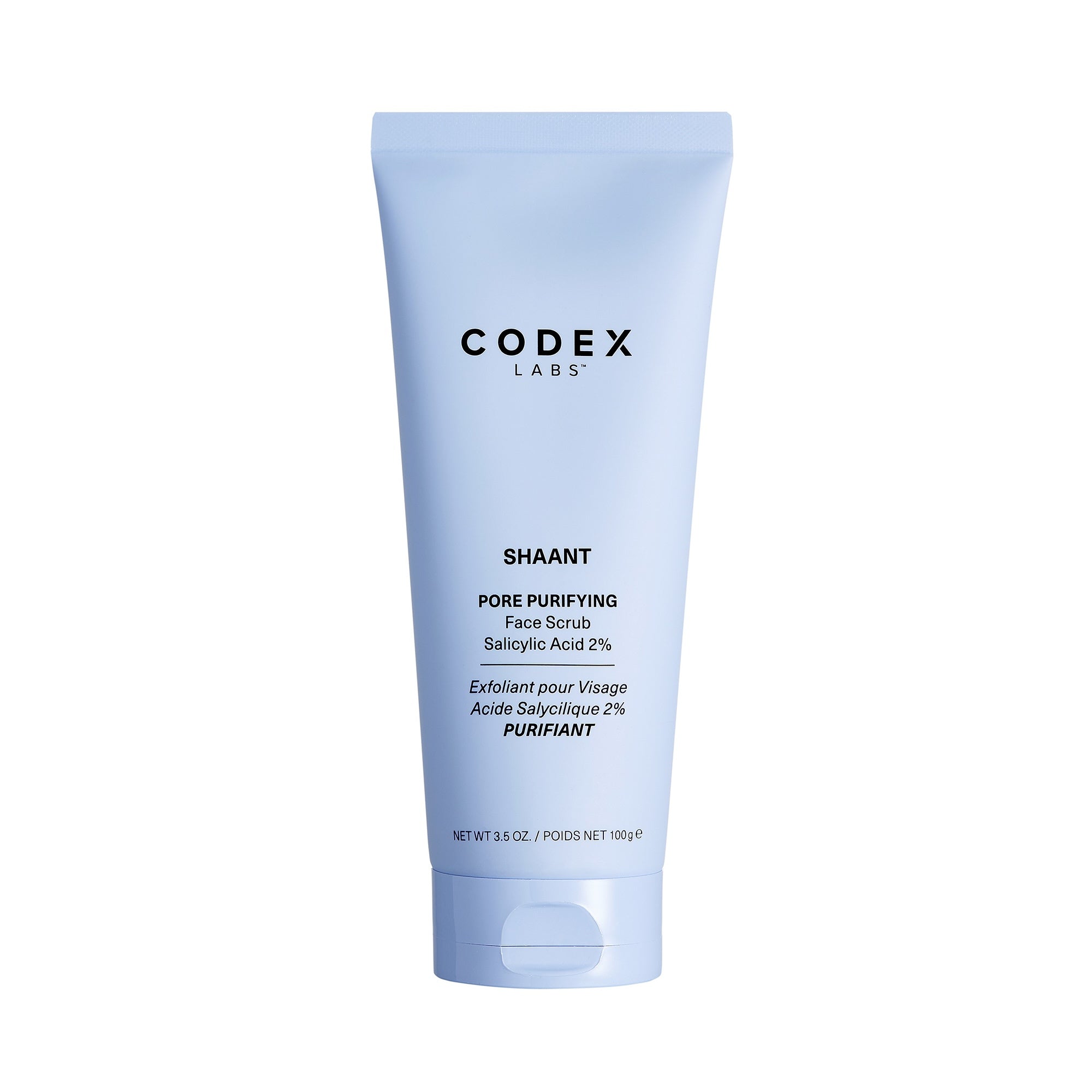
Discover Our Products with Industry-Leading Certifications


Frequently Asked Questions
1. What actually causes eczema-prone skin at a biological level?
+Eczema-prone skin is primarily linked to a compromised skin barrier structure. Research shows that reduced levels of filaggrin, a key structural protein, weaken the skin’s ability to retain moisture and protect against bacteria or irritants. When filaggrin breaks down, it produces natural moisturizing factors that maintain hydration and support an optimal skin pH.
Lower filaggrin levels result in increased water loss, higher skin pH, and disruption of the skin microbiome, which can contribute to visible dryness, redness, sensitivity, and staph infections that lead to flare-ups.
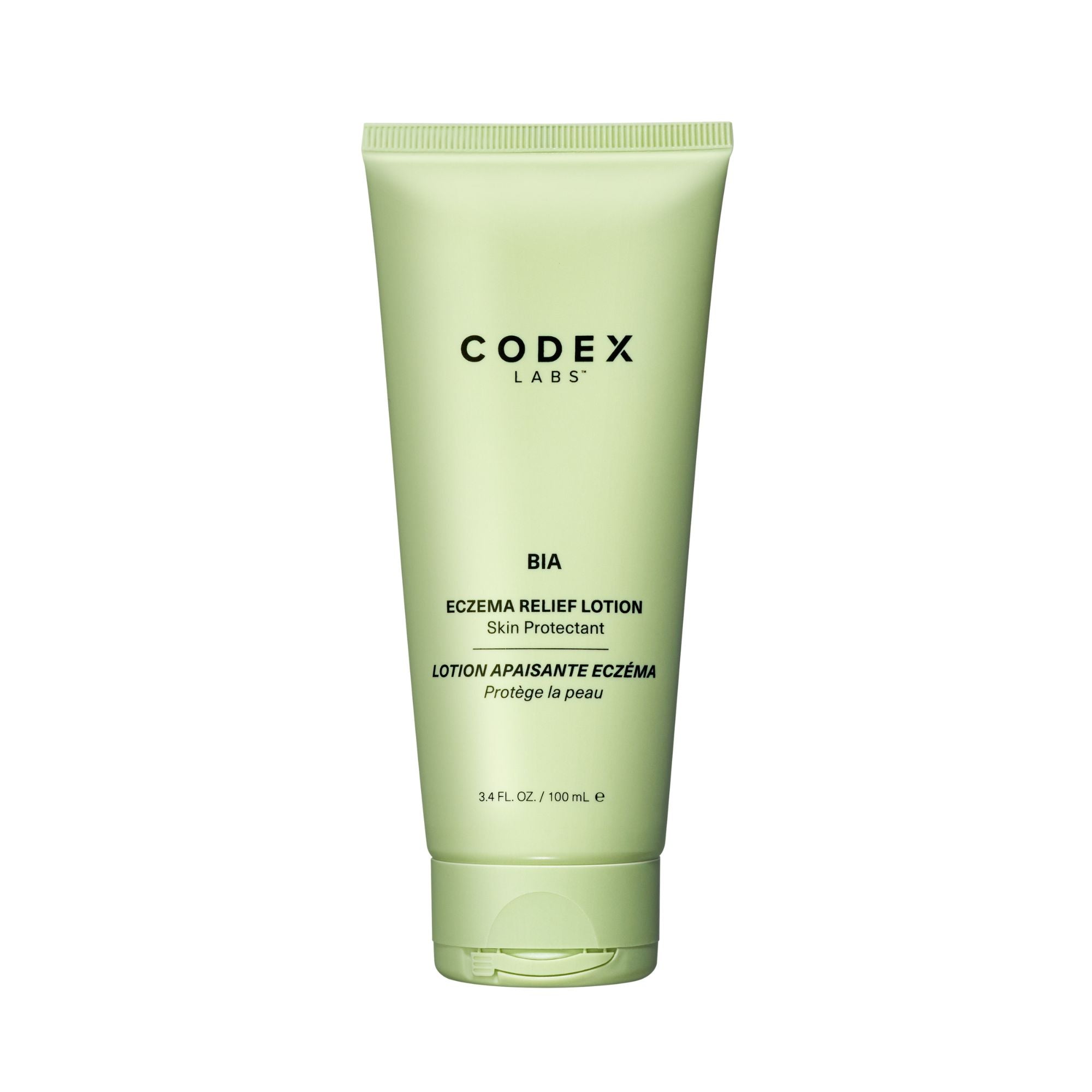
This is why barrier-supporting products like eczema relief lotions and microbiome-friendly cleansers are essential, as they help reinforce the outer layer of the skin while maintaining balance.
2. How do eczema skincare products support the skin barrier?
+Eczema-focused skincare works by restoring the key components of the skin barrier:
- Lipids help rebuild the “mortar” between skin cells
- Humectants attract and retain moisture
- Occlusives prevent water loss
- Microbiome-supportive ingredients maintain healthy skin bacteria
For example:
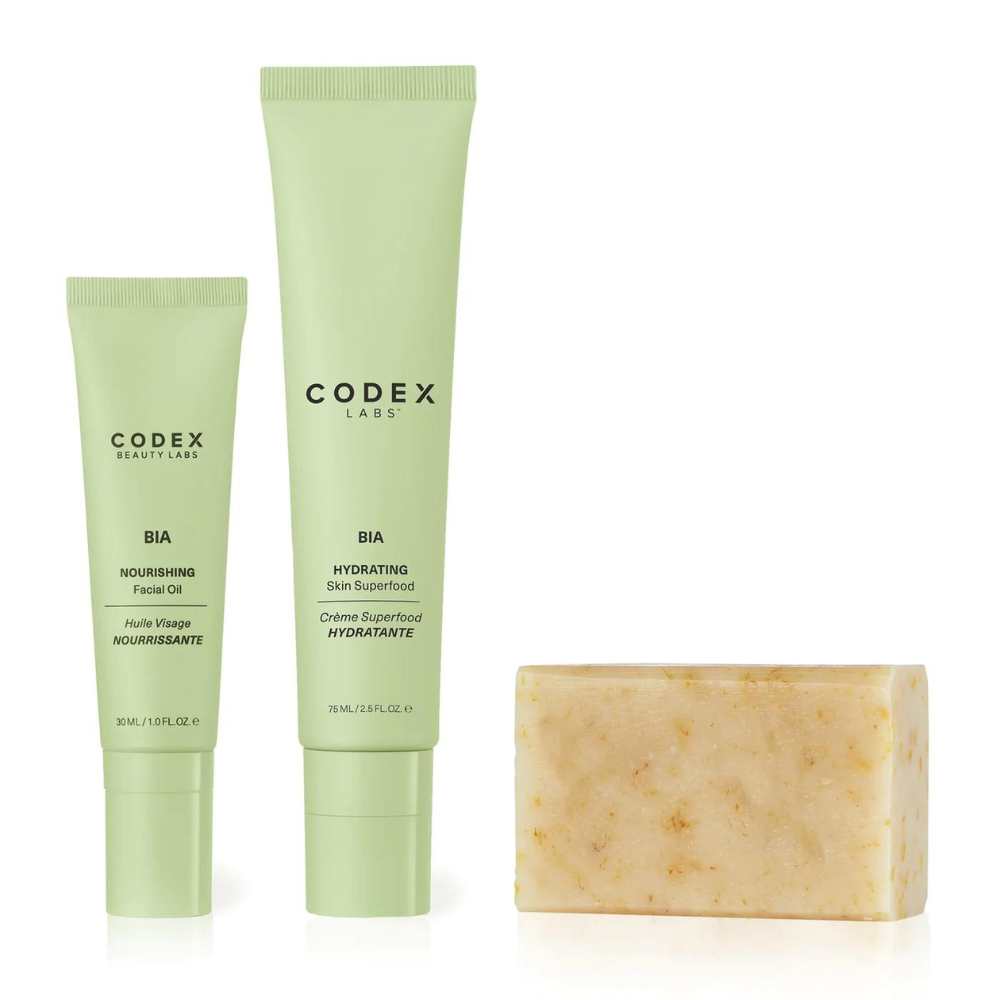
- A gentle cleanser prevents stripping natural oils
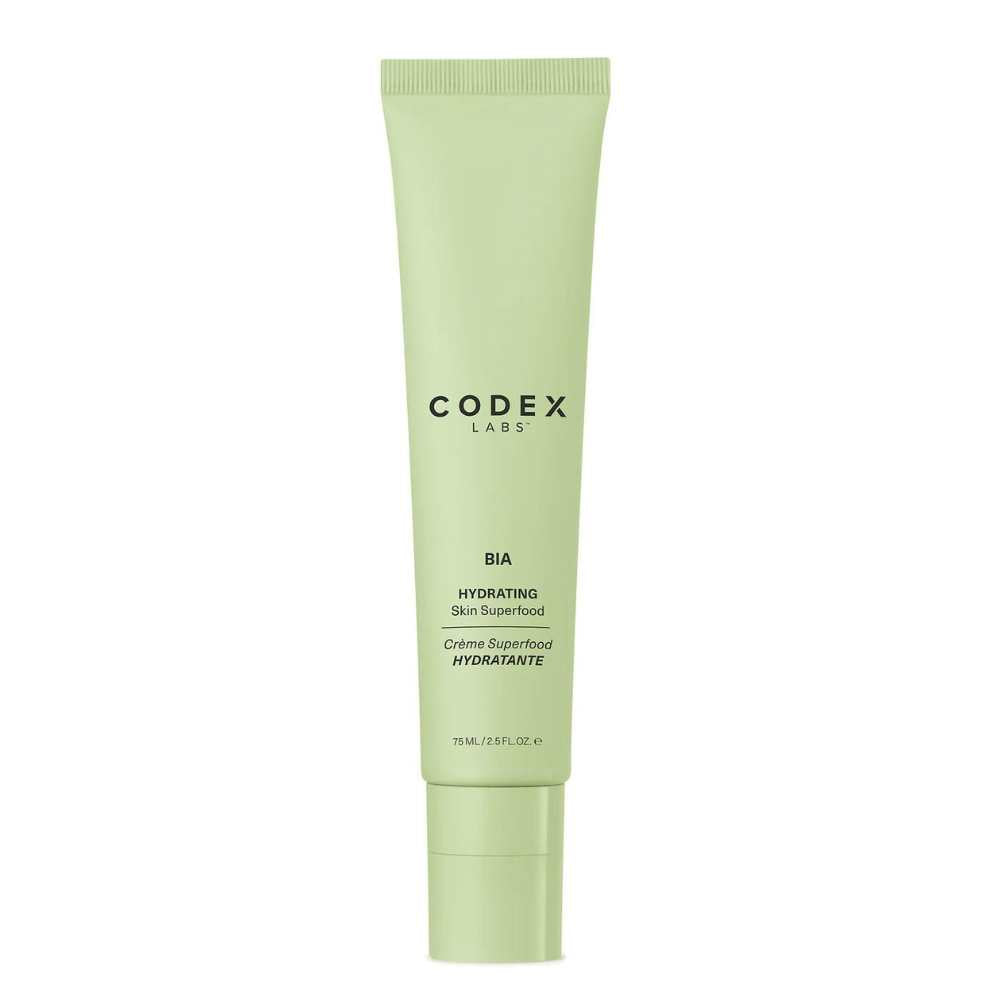
- A barrier repair lotion supports hydration and skin structure
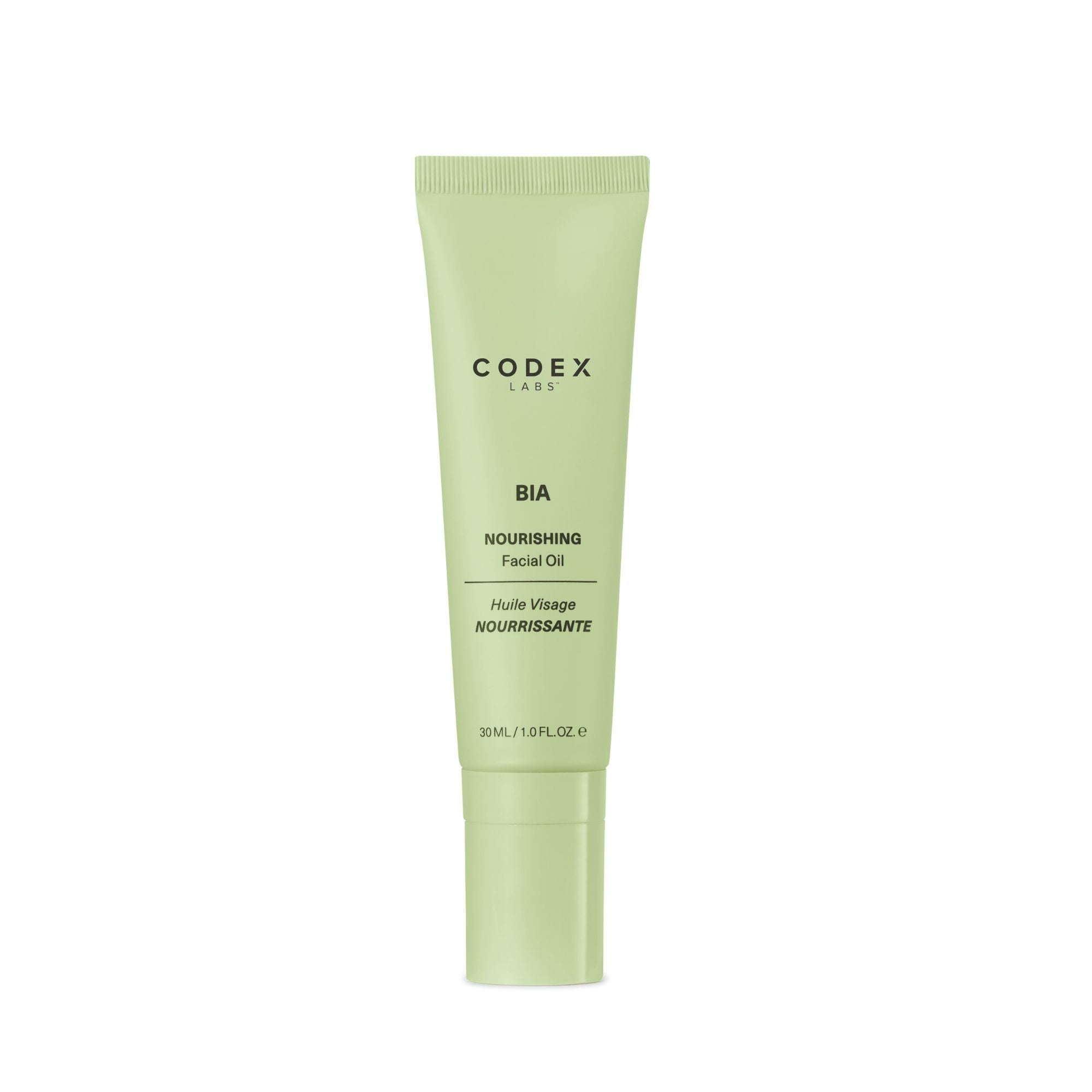
- A facial oil helps seal moisture and reduce visible dryness
Clinically tested formulations that are microbiome-friendly are especially important because they help maintain long-term skin balance rather than just temporary relief.
3. What is filaggrin and why is it important for eczema-prone skin?
+Filaggrin is a protein that plays a dual role in the skin:
- It helps form tightly packed skin cells that create a strong physical barrier
- It breaks down into natural moisturizing factors that keep skin hydrated and slightly acidic
When filaggrin levels are low, the skin becomes more permeable, loses moisture faster, and becomes more reactive to environmental triggers.
Supporting filaggrin production through both topical care and internal nutrition is a key strategy in maintaining healthy skin barrier function.
4. Can supplements help support eczema-prone skin?
+Certain nutritional ingredients can support skin health from within. L-histidine, an essential amino acid, plays a critical role because it is a building block of filaggrin.
Clinical studies have shown that L-histidine supplementation can:
- Improve skin hydration
- Support natural moisturizing factor production
- Help maintain barrier function
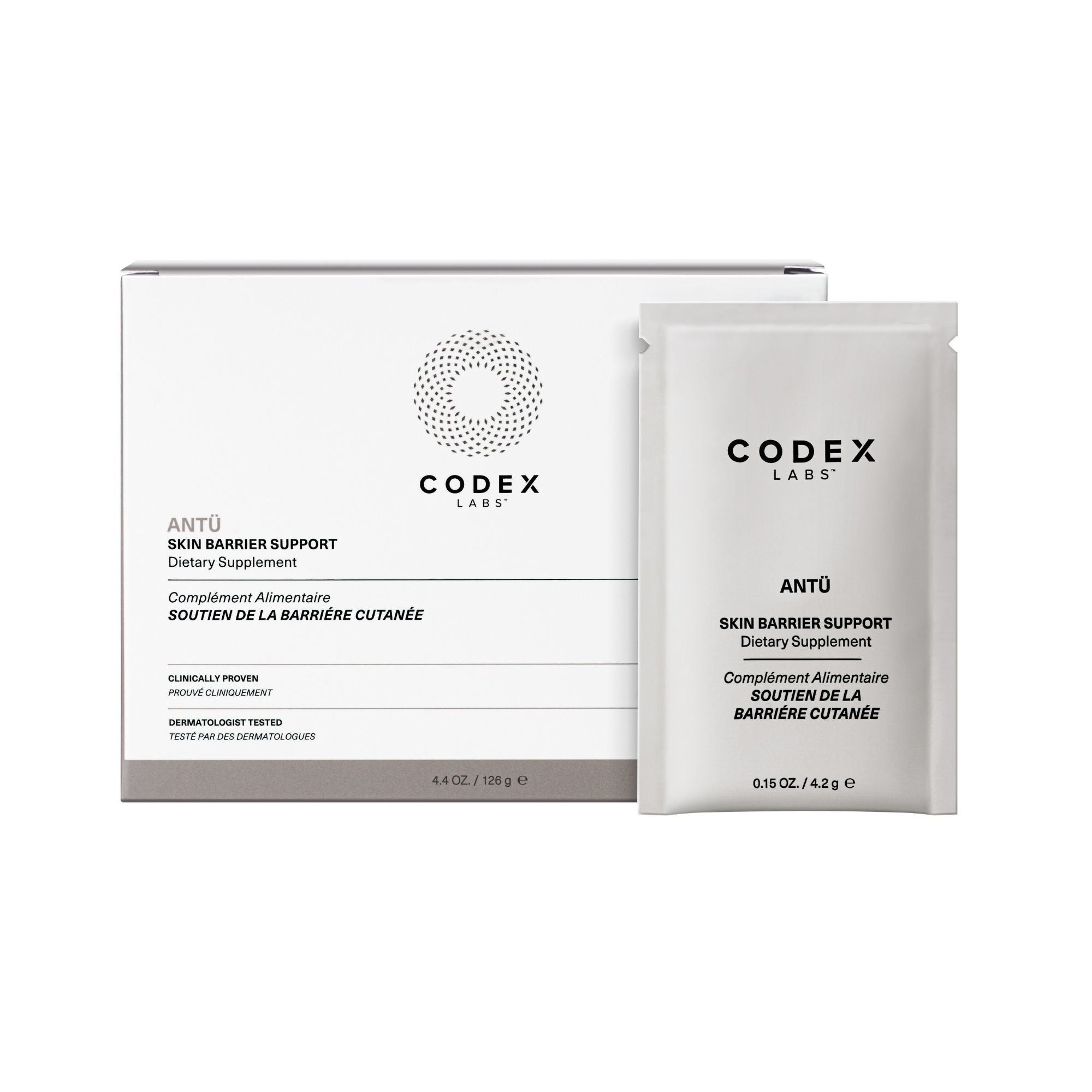
This is why skin barrier supplements are often used alongside topical skincare to support a complete inside-out routine.
5. Are these products safe for babies and sensitive skin?
+Many products in this collection are formulated specifically for delicate and sensitive skin, including babies. Products designed for eczema-prone skin are typically:
- Fragrance-free
- Dermatologist tested
- Clinically evaluated for sensitive skin
- Suitable for long-term use
Some formulations also carry certifications such as the National Eczema Association Seal of Acceptance, which indicates they meet strict safety and sensitivity criteria.
Always check individual product instructions, especially for infants.
6. Why is the skin microbiome important in eczema care?
+The skin microbiome consists of beneficial microorganisms that help regulate inflammation and protect against harmful bacteria.
In eczema-prone skin, this balance is often disrupted. This can lead to increased sensitivity and visible irritation.
Microbiome-friendly skincare helps:
- Maintain beneficial bacteria
- Support barrier function
- Prevent colonization by staph (S. aureus) bacteria
- Reduce environmental stress on the skin
This is why avoiding harsh cleansers and using gentle, pH-balanced products is essential.
7. What ingredients should I avoid if I have eczema-prone skin?
+To protect the skin barrier, it is best to avoid:
- Harsh sulfates
- Strong fragrances
- Alcohol-based formulations
- Over-exfoliating acids
These ingredients can disrupt the skin’s pH, strip natural oils, and worsen barrier dysfunction.
Instead, look for:
- pH-balanced cleansers
- Barrier-supporting moisturizers
- Microbiome-friendly formulations
8. How long does it take to improve eczema-prone skin?
+Skin barrier repair is a gradual process. While some people notice improved hydration and comfort within a few weeks, long-term improvements depend on consistent care and waiting for at least two skin barrier turnover cycles. For babies and kids, it’s about 6 weeks, for adults, it’s 8 to 12 weeks.
Supporting both:
- topical barrier repair
- internal skin health
can lead to more sustained improvements in skin resilience over time.